

What is FF&E? A practical guide for hotel and property developers
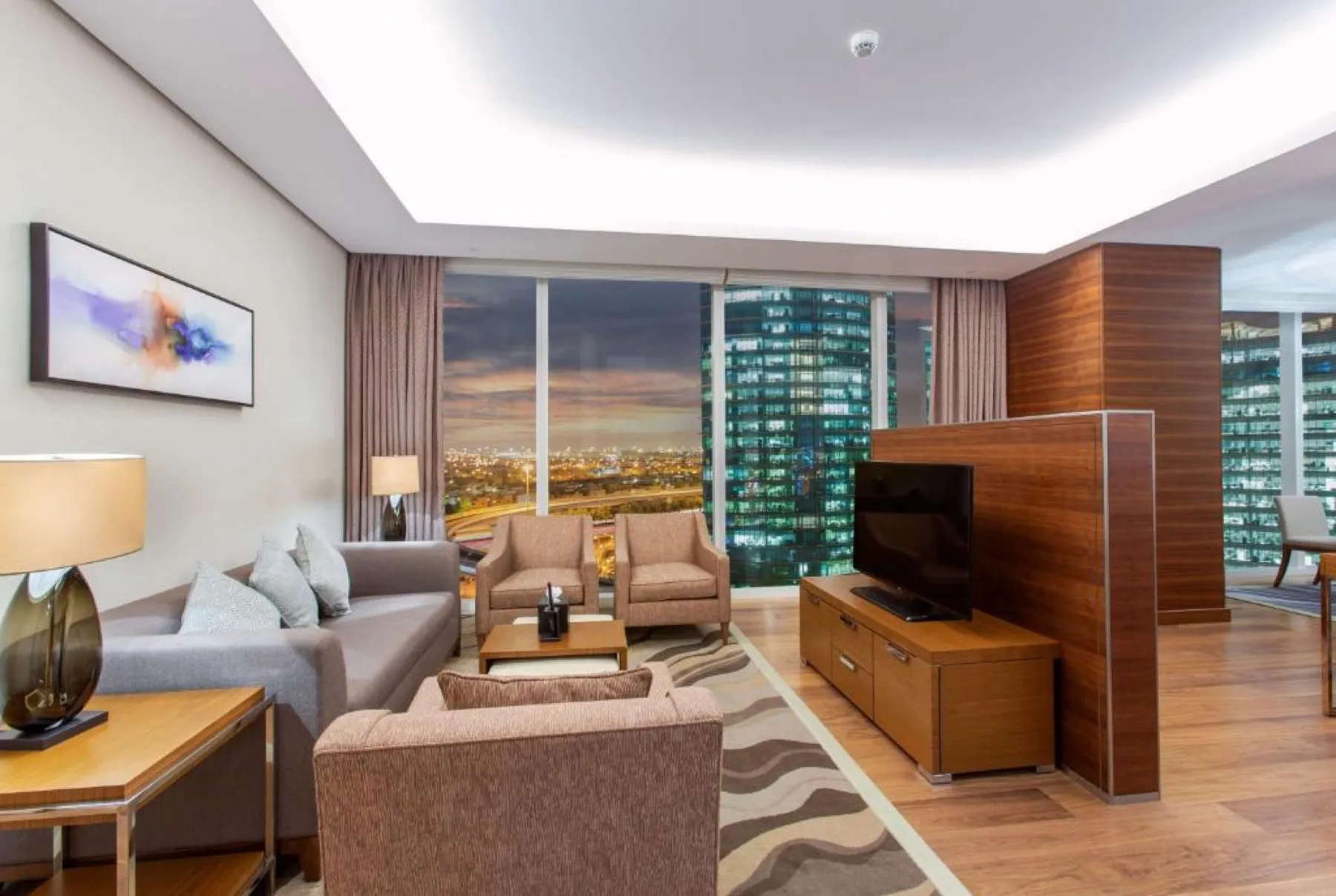
FF&E stands for Furniture, Fixtures and Equipment: all the movable furniture, furnishings and depreciable equipment that make a building usable — beds, casegoods, seating, tables, curtains, carpets, decorative lighting, artwork and mirrors. FF&E excludes the building structure itself and fixed services; in a hotel it is typically specified by the interior designer, funded by the owner, and procured by a specialist consultant.
What counts as FF&E — and what doesn’t
The test is simple: if you could tip the building upside down, everything that falls out is FF&E. Guestroom beds and headboards, wardrobes and desks, sofas and armchairs, dining chairs and tables, curtains and sheers, rugs and carpets, floor and table lamps, artwork and mirrors — all FF&E.
What is not FF&E: the building fabric, walls and doors, bathrooms and sanitaryware, HVAC and building services (fixed construction), and the operating stock a hotel consumes daily — that last category is OS&E, Operating Supplies and Equipment.
Why FF&E is treated as its own package
A typical hotel needs around 4,000 FF&E items across more than 500 purchase orders from over 100 suppliers in different countries. It behaves nothing like a construction package: lead times are driven by factories, not site progress; quality is verified in showrooms and mock-up rooms; and delivery must be choreographed against a finished, clean site.
That is why developers appoint a dedicated FF&E procurement consultant rather than leaving it inside the main contract — it protects both the design intent and the opening date.
Who is responsible for what
In a branded hotel, the operator issues brand standards that every item must meet. The interior designer specifies to those standards. The owner funds the package. The FF&E consultant turns specifications into tendered, produced, inspected, shipped and installed reality — a single point of accountability across all of it.
What FF&E costs in Saudi Arabia
For luxury hotels, combined FF&E and OS&E spend can exceed SAR 150,000 per key. A midscale property typically lands well below that, and a budget hotel can be under SAR 25,000 per key. Brand standard, design complexity, custom versus standard product, and procurement strategy drive the difference.
Frequently asked
What does FF&E stand for?
FF&E stands for Furniture, Fixtures and Equipment — the movable furniture, furnishings and depreciable equipment in a building, as distinct from the building structure itself.
Is lighting FF&E?
Decorative lighting — table lamps, floor lamps, decorative pendants and chandeliers — is FF&E. Architectural lighting built into the ceiling as part of the electrical installation is usually part of the construction contract.
Are curtains FF&E?
Yes. Curtains, sheers, blackouts and their tracks are a standard FF&E line, measured and installed as part of the FF&E programme.